
Best Seller 100% online course
Industrial Automation Fundamentals Course
Learn the key fundamentals and concepts of industrial automation from scratch, based on the Automation Pyramid and real-world applications.
 Created by Filippo Maselli
Last updated 06/2026
English
What you will learn
- Learn what industrial automation is: its history, evolution, why it matters and where it is used in industry.
- Learn what to study and how to get qualified in the industrial automation field.
- Learn where a Control System is applied.
- Understand the main components of an Automated System.
- Get to know the Automation Pyramid and its main layers.
- See where each layer is applied in an Industrial Environment.
- Sensor fundamentals and concepts: what sensors are, how they are used and the types of sensors.
- Actuator fundamentals and concepts: what actuators are, how they are used and the types of actuators.
- What a Control Loop is: Open Loop and Closed Loop.
- Basic PLC concepts: architecture, classification and programming languages.
- Learn the fundamentals of a Human-Machine Interface (HMI) and where it is applied.
- Learn the fundamentals of a SCADA system and where it is applied.
- What the Production and Business Layer is, that is, MES and ERP systems.
How the online course works
You study online, on FM4's e-learning platform, from home.
- 1EnrollOnce your payment is approved, platform access is granted instantly.
- 2Study from anywhereOn your phone, tablet, laptop or desktop, 24 hours a day, 7 days a week.
- 3At your own paceRecorded lessons, no fixed schedule, with 1-year platform access.
- 4Support and certificateAsk the instructor your questions through student support and get a digital certificate when you finish.
Course content
6 modules · 88 topics · 6h of video
01 Fundamentals and Concepts 10 topics
- Definition of Industrial Automation
- Difference between Automation and Mechanization
- History and Evolution of Automated Systems
- Importance and Benefits of Implementing an Automated System
- Where an Industrial Automation System Is Applied
- Main Components of an Automated System
- What the Layers of the Automation Pyramid Are and How They Work
- Understanding the Field, Control, Supervision, Production and Business Layers
- Exploring Each Layer Through a 3D Industrial Environment
- Difference between Manual vs. Automatic Operation
02 Field Layer 26 topics
- What Sensors Are
- Importance of Sensors in Industry
- Where Sensors Are Applied
- What a Temperature Sensor Is and How It Works.
- Operating Principle of Thermocouple and RTD Temperature Sensors
- What a Pressure Sensor Is and How It Works.
- Operating Principle of Piezoelectric and Capacitive Pressure Sensors
- What a Flow Sensor Is and How It Works.
- Operating Principle of Ultrasonic and Positive Displacement Flow Sensors
- What a Level Sensor Is and How It Works.
- Operating Principle of Capacitive and Ultrasonic Level Sensors
- How Sensors Communicate with the PLC.
- What Actuators Are
- Importance of Actuators in Industry
- Where Actuators Are Applied
- What Valves Are
- Operating Principle of the Ball Valve
- Operating Principle of the Butterfly Valve
- Operating Principle of the Globe Valve
- Operating Principle of the Check Valve
- Operating Principle of the Diaphragm Valve
- Operating Principle of Electric and Electro-Pneumatic Actuators
- What Electric Motors Are
- Operating Principle of an Induction Motor
- Operating Principle of a Stepper Motor
- How the PLC Communicates with Actuators
03 Control Layer 18 topics
- Control Elements (Sensor, Actuator and PLC)
- Control Loops of an Automated System
- What Open Loop and Closed Loop Are
- What Control Variables Are
- Difference between Process, Manipulated and Controlled Variables
- What a Programmable Logic Controller (PLC) Is
- Main Modules of a PLC
- Main Advantages of a PLC
- Main PLC Manufacturers
- PLC Architecture
- PLC Classification and Structure
- Difference between Modular and Single-Unit (Compact) PLCs
- How a PLC Is Applied in an Industrial Environment
- Relationship of Sensors and Actuators with the PLC
- Difference between Electrical Control Circuits and PLC Control
- Main PLC Programming Languages
- Difference between Electrical Diagram and Ladder Diagram
- How the Ladder Language Works
04 Supervision Layer 15 topics
- What a Human-Machine Interface (HMI) Is
- Where the HMI Is Used in the Industrial Environment
- Relationship between PLC and HMI
- Main HMI Features
- Physical Components of the HMI
- What a SCADA System (Supervisory System) Is
- History and Evolution of the SCADA System
- Relationship between the SCADA System and the PLC
- Basic Components of a SCADA System
- What SCADA Software Is
- What the Engineering Module Is and How It Works
- What the Server Module (Runtime) Is and How It Works
- What the Visualization Module (Viewer) Is and How It Works
- Main Features of a SCADA System
- Communication Flowchart Between Sensor, Actuator, PLC and SCADA
05 MES and ERP Layer 8 topics
- What an MES System Is
- Main MES Features
- Importance of the MES System in Industry
- Difference between SCADA and MES Systems
- What an ERP System Is
- Main ERP Features
- Importance of the ERP System in Industry
- Difference between SCADA, MES and ERP Systems
06 Professional Qualification 11 topics
- Why Study Industrial Automation
- How to Get Qualified in Industrial Automation
- Importance of Learning Electricity and Analog and Digital Electronics
- Importance of Learning Electrical Controls and Motor Drives
- Importance of Learning Instrumentation and Industrial Sensors
- Importance of Learning Programmable Logic Controllers
- Importance of Learning Industrial Networks
- Importance of Learning SCADA Software
- Importance of Learning HMI
- Importance of Learning Programming Languages
- Importance of Learning Databases
Course images
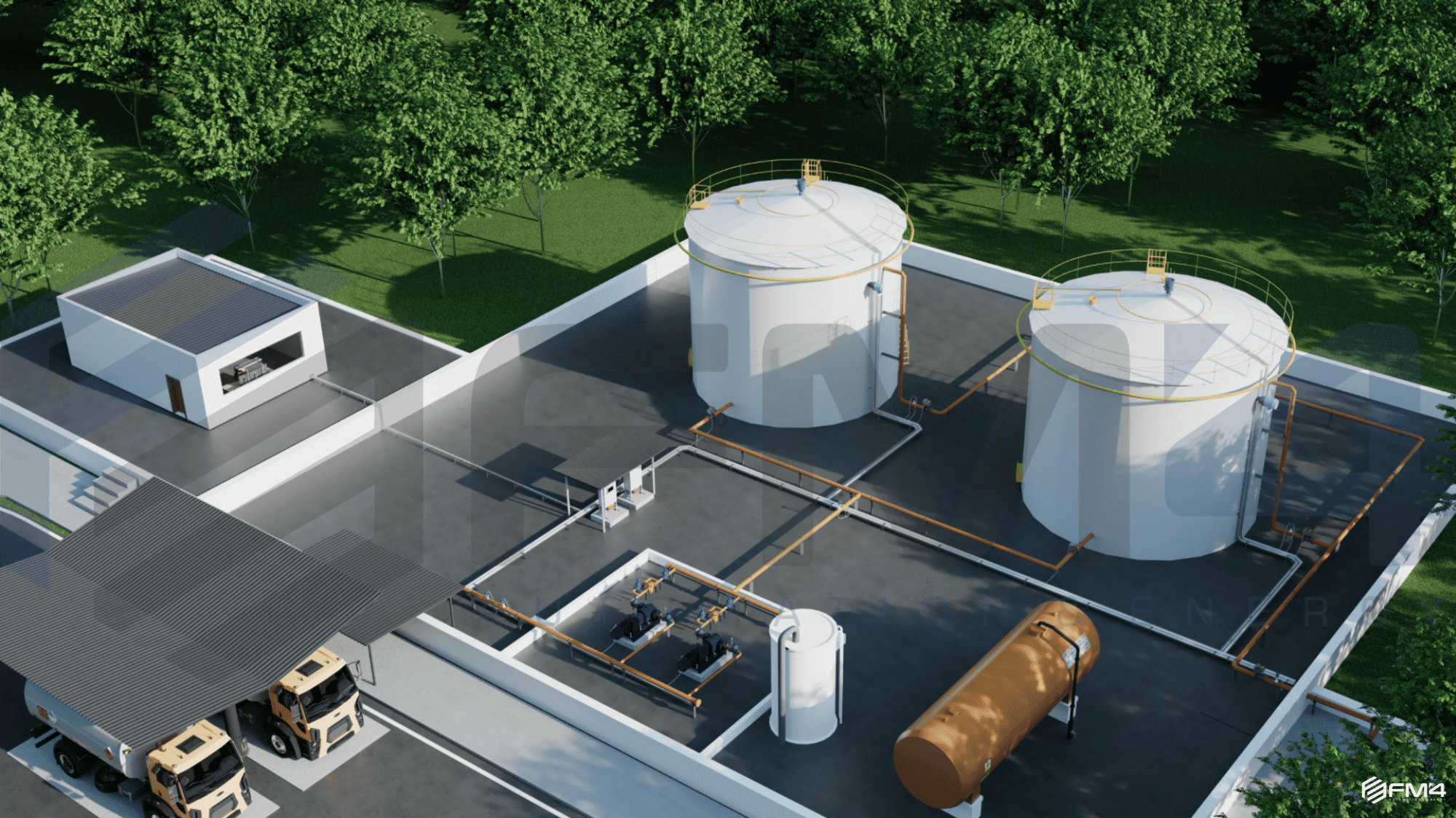
About the course
The Industrial Automation Fundamentals Course is an excellent opportunity to learn the key concepts and fundamentals of industrial automation. Whether you are starting from scratch or want to deepen your knowledge, this course covers essential topics based on the Automation Pyramid and real-world applications.
Requirements
No prior knowledge is required to take the Industrial Automation Fundamentals Course.
Who this course is for
This course is designed for students and beginners, and for industry professionals in general, such as electricians, engineers and technicians with a background in electrical engineering, electrical work, electronics, automation, instrumentation, mechanics, telecommunications, mechatronics, production or any field that involves automation.
Your instructor
Filippo Maselli Pezzino
Control and Automation Engineer
- 2,100 Students
- 4 Courses
Instructor Filippo Maselli Pezzino holds a degree in Control and Automation Engineering from Universidade Gama Filho (UGF) and a postgraduate degree in Quality and Productivity. He has experience in Oil & Gas, building automation and packaging machinery, with skills in programming PLCs, HMIs, SCADA systems and more.
I will help you earn your professional qualification by sharing all my knowledge of Industrial Automation, just as I have done for 2,000+ students in our courses.
Certificate of completion
After completing the Industrial Automation Fundamentals course, you will receive a digital Certificate of Completion.
// about FM4
Why study with FM4
Since 2020, FM4 Automation & Energy has trained professionals for the industrial automation sector. More than 2,000 students have been trained with online courses created by people who work in the industry.
Here you go beyond theory: lessons are based on real projects and situations, so you are ready for everyday challenges.
- +2.000 students trained since 2020
- Study whenever you want Access 24/7, at your own pace.
- Full HD lessons High-quality recorded video lessons so you can see every detail on screen.
- Support from engineers Get individual, specialized technical support.
- Real projects Courses based on real industry projects and experience.
- Certificate of completion Digital certificate when you complete each course.
// comparison
Traditional Training x FM4 Training
// reviews
What our students say
I bought all of Professor Filippo's courses because, without a doubt, his teaching is the best I have ever seen. If you are unsure, you can be certain you will not find more complete and easier-to-follow content than this.
 Tiago TeodoroIndustrial Automation Technician
A complete, high-quality platform. The course is easy to follow, makes you want to keep learning and is never boring, plus there are topics available when you need help.
 Rafael LucheriniIndustrial Instrumentation Technician
It made a real difference in my professional life, because it helps me every day in the field I work in.
 Gleison RibeiroElectrotechnical Technician
The course positively surprised me. I thought it would only cover programming itself, but the content went much further: electrical wiring, troubleshooting tips and how to structure projects, plus the main topic, Ladder programming. It was well worth the investment.
 Jefferson MotaPLC and HMI Programmer
I highly recommend this course bundle: the courses complement each other and are very easy to follow. It is truly a course for learning, with no filler. By dedicating myself to the lessons I really learned, and today I can program, which I could not do after other courses!
 Márcio da SilvaElectrotechnician
The courses are objective and the module content meets the needs of anyone looking for quality automation training. The instructor answers quickly, and navigating the platform is simple and efficient.
 Marcelo MoreiraOperations Technician
// faq
Questions about the course
Industrial Automation Fundamentals Course in a nutshell...
The Industrial Automation Fundamentals Course is an excellent opportunity to learn the key concepts and fundamentals of industrial automation. Whether you are starting from scratch or want to deepen your knowledge, this course covers essential topics based on the Automation Pyramid and real-world applications. All lessons are pre-recorded in FULL HD quality.
Is there a time limit on the course?
Yes. The Industrial Automation Fundamentals Course gives you access to the learning platform for one (1) year.
Can I access the course from anywhere?
Yes! The FM4 online learning platform works on all devices: smartphone, tablet, laptop, desktop and more. It is also cross-browser, meaning it works in every web browser.
Does the course have a fixed schedule?
No, you can access your course whenever you have time. The course is available 24 hours a day, 7 days a week, ready whenever you are. You set your own pace of study.
What support options are available?
The FM4 platform is currently one of the most complete. You can use the Q&A Forum inside the learning platform. The instructor will reply within two (2) days.
What are the support hours?
Support is available from 9 a.m. to 6 p.m. The instructor will reply within two (2) days.
How do I access the course?
When enrollment opens and your purchase is confirmed, you will receive an email to create your password. Then you can access the learning platform through the “Student area” button at the top of the website.
Is a Certificate of Completion issued?
Yes. At the end of the course we issue a certificate of completion with the course name, course hours, date and instructor name.
Is the certificate valid?
Yes. All certificates issued by FM4 are valid as proof of the course hours completed. The MEC (Brazil's Ministry of Education) is only responsible for authorizing technical, undergraduate and graduate programs. Open courses are not classified as undergraduate, graduate or vocational technical programs. Our courses are open continuing education/qualification courses: under Law No. 9,394 (Brazil's National Education Guidelines and Framework Law), open courses became part of Professional Education as Basic-Level Professional Education. They are a non-formal type of education of variable length, designed to give workers the knowledge they need to retrain, qualify and keep up to date for work. No prior schooling is required.
What is the course guarantee?
You have a guarantee of up to 7 days. If for any reason you want your money back, we will refund it in full. We only ask for the reason for the refund so we can improve our services.
// get started
Industrial Automation Fundamentals
$99 USD · Enrollment opens soon. Join the waitlist and be the first to know.