PLC
What is Ladder Language?
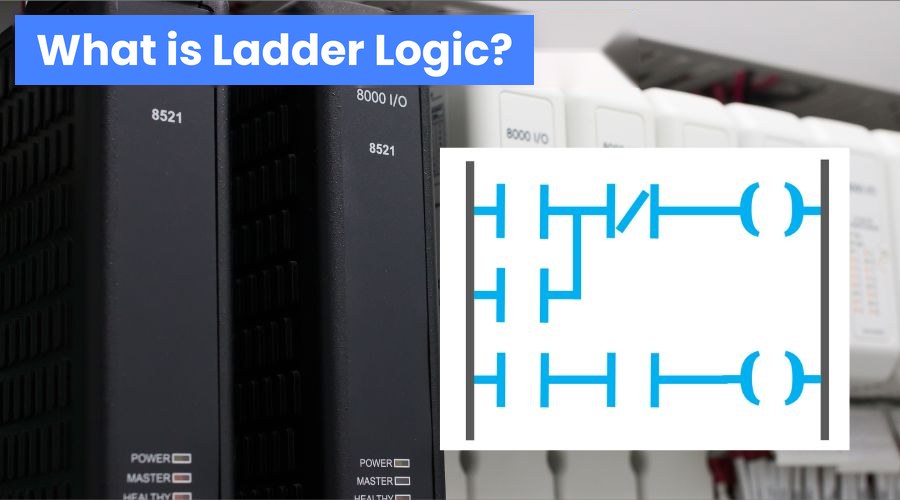
Ladder Language is a graphical language used to program Programmable Logic Controllers (PLCs), electronic devices used to automate processes…

PLC stands for “Programmable Logic Controller”. It is an electronic device used to control machines and industrial processes.
 Filippo MaselliControl and Automation Engineer
3 min read
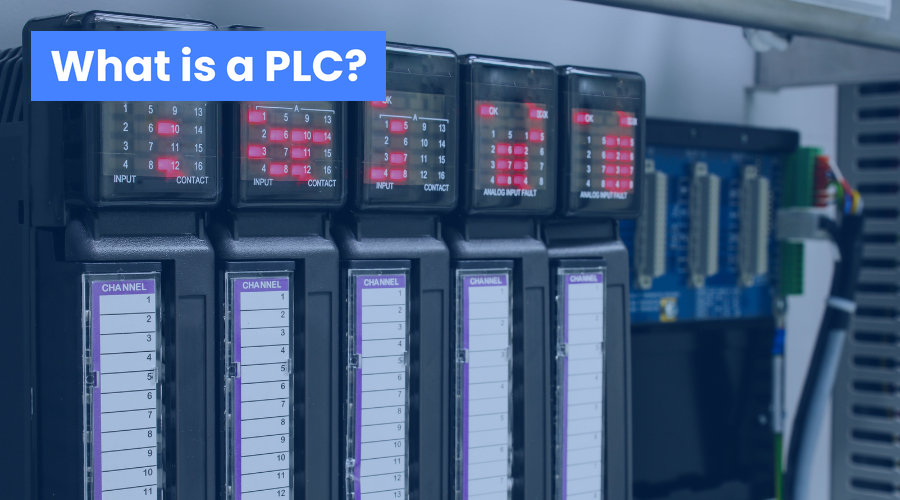
PLC stands for “Programmable Logic Controller”. It is an electronic device used to control machines and industrial processes. PLCs are designed to automate specific tasks, such as controlling machines on production lines, manufacturing systems, industrial processes and more.
In Brazil, the device is called CLP (Controlador Lógico Programável), which is simply the Portuguese acronym for PLC.
A PLC is made up of a processor, memory, input and output interfaces, and a program stored in memory. It performs logical and mathematical operations based on the programmed instructions to control the operation of machines and processes. PLCs are widely used in industrial automation because of their flexibility, reliability and ease of programming.
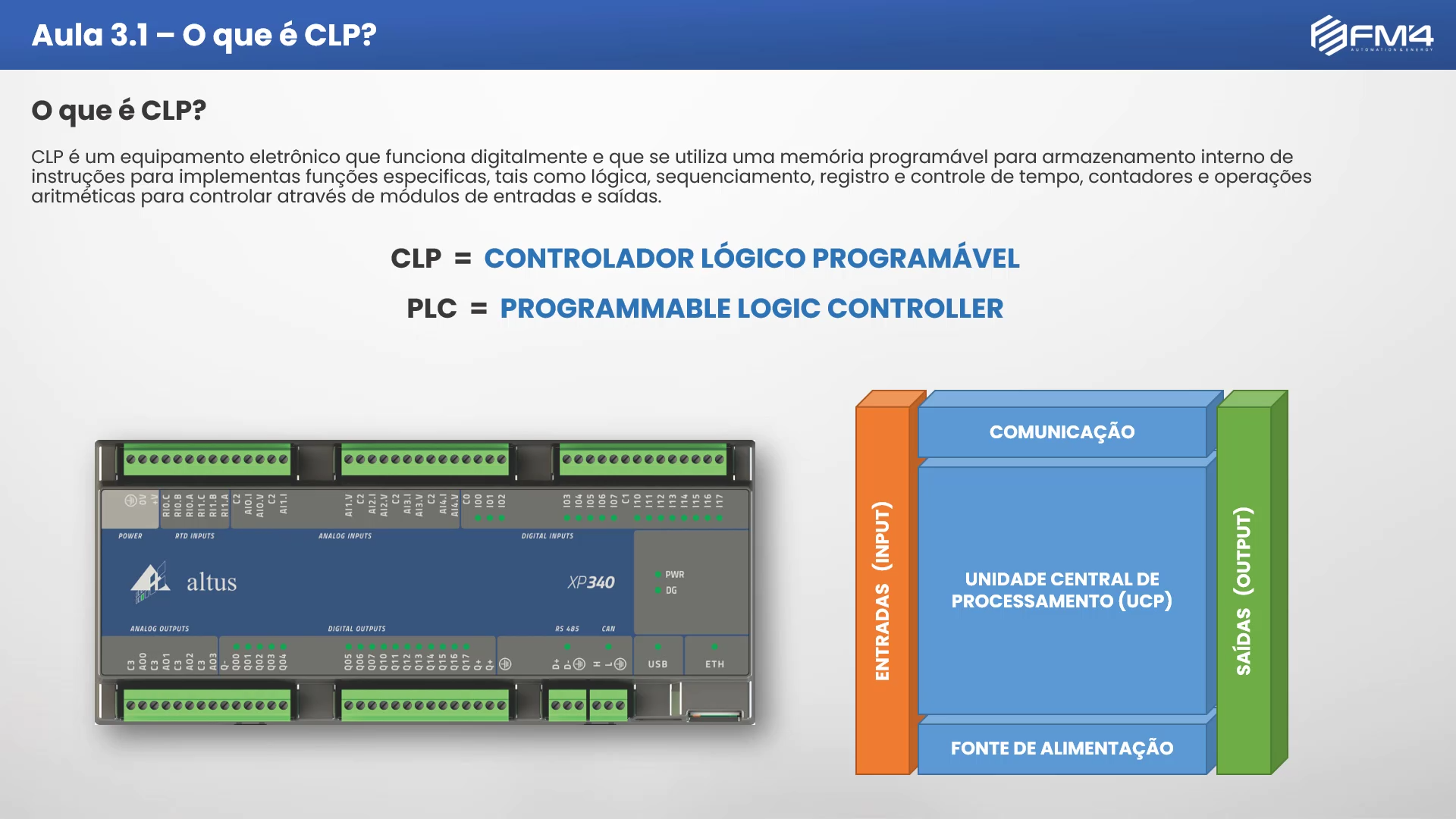
Automation and control professionals often use specific programming languages to create the programs that PLCs will run. These programs determine how the PLC will respond to the different conditions and events in the industrial process it is controlling.
Now that industries are using a new piece of equipment to automate machines and processes, a new professional is needed: the PLC Programmer. Today, industries and factories cannot compete in the market without automating their industrial processes. So, wherever there is automation, there will be a Programmable Logic Controller and the need for a qualified professional.
Ever since the PLC was invented and introduced to the industrial automation market, industries have become increasingly dependent on PLCs, as they saw how many benefits a small, rugged device like the PLC can offer. As a result, many electronic equipment manufacturers recognized the needs of this market and began developing their own programmable logic controllers.
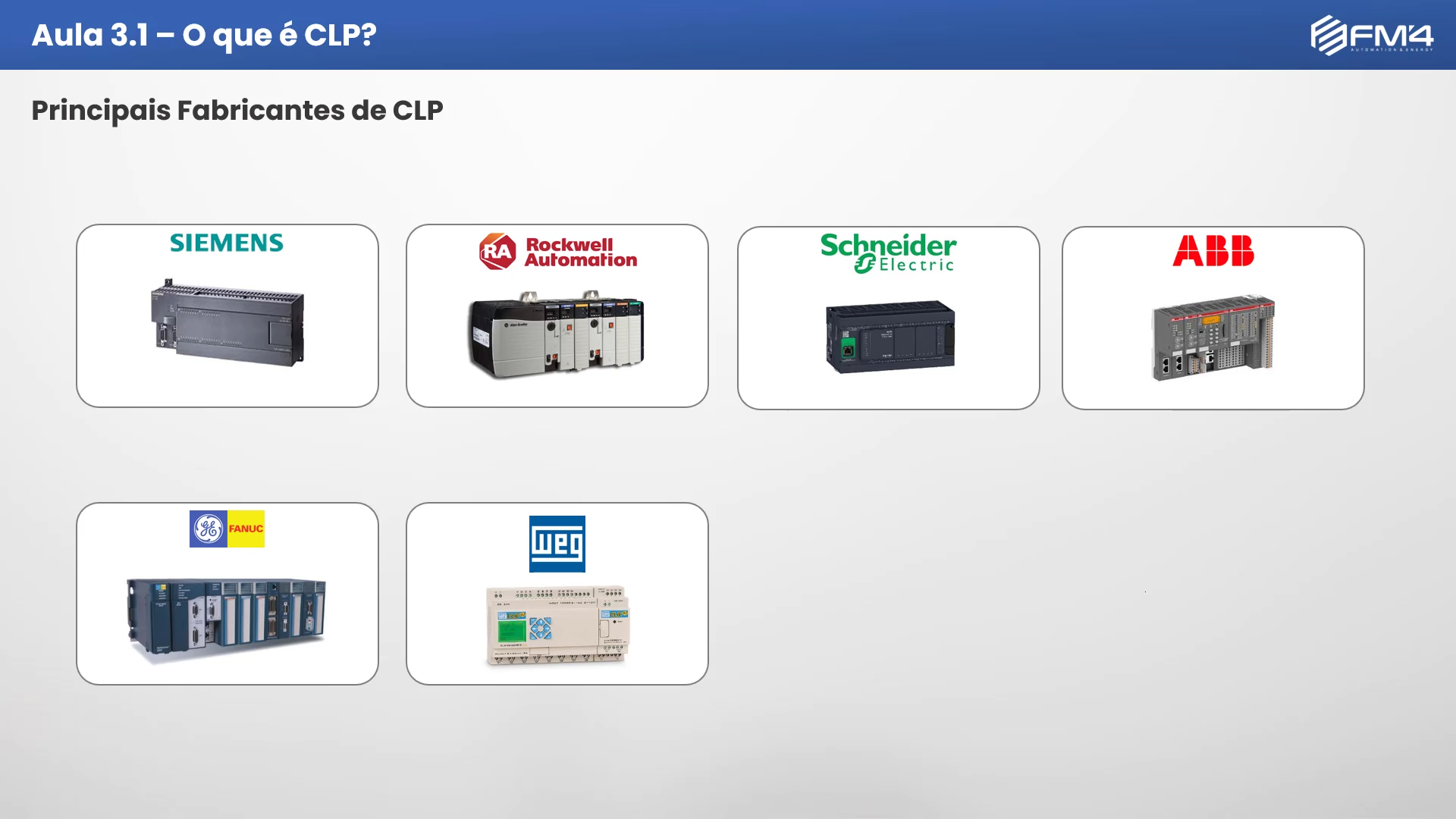
Today, the automation market has many PLC manufacturers, such as:
Siemens, Rockwell, Schneider Electric, ABB, GE FANUC and many other manufacturers. The Brazilian market also has a few PLC manufacturers of its own, such as WEG, based in Santa Catarina, and Altus, based in Rio Grande do Sul.
If you want to learn everything about PLCs from scratch, we recommend FM4's PLC Programmer Course. Click here to learn more about the course. The PLC used in the PLC Programming Course is the Nexto Xpress PLC from Altus. And why this PLC? Besides Altus being one of our partners in developing FM4's courses, the Nexto Xpress PLC uses the same programming software as small, medium and large PLCs. In other words, you learn to program in software that has no limitations based on the size of the PLC. Unlike other courses, which use small PLCs and, as a result, limited programming software with few features, the Nexto Xpress PLC lets you program using a wide range of programming features regardless of the PLC's size.
Programmable Logic Controllers (PLCs) are fundamental to modern industrial automation, offering a robust, flexible and efficient solution for controlling processes and machines. Over the years, the evolution of PLCs has enabled industries in many sectors to significantly increase their productivity and quality, reducing operating costs and minimizing human error.
// keep reading
Ladder Language is a graphical language used to program Programmable Logic Controllers (PLCs), electronic devices used to automate processes…
PLC stands for Programmable Logic Controller, an electronic device used to automate industrial and residential processes…
Find out what the MQTT protocol is, how the publish/subscribe model works and why it is essential for IoT and industrial automation in Industry 4.0.
// from article to practice
In FM4 courses you program PLCs and SCADA systems hands-on, with step-by-step lessons and instructor support.