Courses
Getting to Know the MQTT Protocol
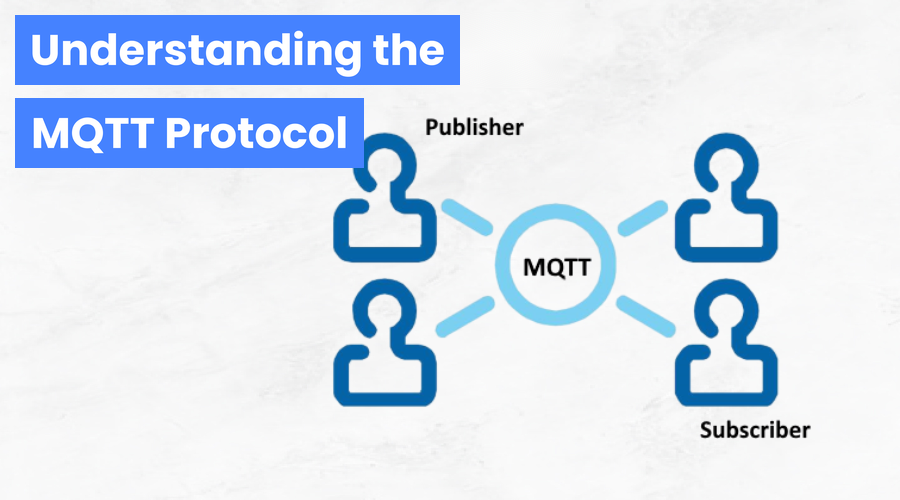
Find out what the MQTT protocol is, how the publish/subscribe model works and why it is essential for IoT and industrial automation in Industry 4.0.

A SCADA system is a technology used to monitor and control industrial, residential or Internet of Things (IoT) processes. In this post, we explain what a SCADA system is…
 Filippo MaselliControl and Automation Engineer
5 min read
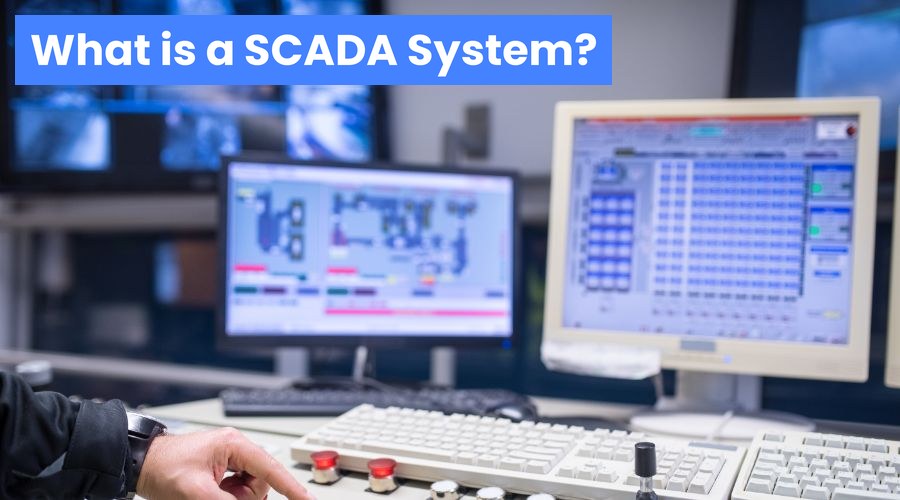
A SCADA system is a technology used to monitor and control industrial, residential or Internet of Things (IoT) processes. In this post, we explain what a SCADA system is, what it is made of, how it works, its history and evolution, and where it is used.
SCADA stands for Supervisory Control and Data Acquisition. It is a system that uses software, servers, drivers, sensors and actuators to capture and store data and to generate screens, alarms and reports.
A SCADA system is made up of three main components:
The communication network can be of different types, such as cable, radio, fiber optics, the internet, etc. It must ensure the reliability, security and speed of data transmission.
The equipment and sensors are the devices that measure and control the process variables, such as temperature, pressure, level, flow, etc. They can be of different types, such as analog, digital, smart, etc. They communicate with the supervisory software through drivers, which are programs that translate each device's protocols.
The supervisory software is the program that receives, processes and displays the data from the equipment and sensors. It can perform different functions, such as:
A SCADA system works through an operating cycle, which can be summarized in the following steps:
The first control systems were developed during the Industrial Revolution, in the late 19th century. Control functions were implemented through ingenious mechanical devices, which automated some of the critical and repetitive tasks on the assembly lines of the time.
In the early 20th century, the first electrical controllers appeared, using electromechanical relays to perform control functions. These controllers were faster and more reliable than mechanical ones, but they were still limited in terms of flexibility and complexity.
In the 1950s, with advances in electronics, the first electronic controllers appeared, using transistors and integrated circuits to perform control functions. These controllers were more compact and versatile than electrical ones, but they were still expensive and difficult to program.
In the 1960s, with the arrival of computers, the first supervisory and data acquisition systems appeared, using computers to monitor and control industrial processes. These systems were able to collect and store large amounts of data, generate charts and reports, and perform complex calculations.
In the 1970s, with the development of microprocessors, the first programmable controllers appeared. These were devices that could be programmed to perform different control functions. They were cheaper and easier to program than computers, and they could be connected over communication networks.
In the 1980s, with the spread of personal computers, the first SCADA systems appeared. These were supervisory and data acquisition systems that used personal computers as the graphical interface for users. They were more affordable and user-friendly than earlier systems, and they could be integrated with other information systems.
In the 1990s, with the growth of the internet, the first web SCADA systems appeared. These were SCADA systems that used the internet as the means of communication and access. They were more open and flexible than earlier systems, and they could be accessed from any location and device.
In the 2000s, with the emergence of the Internet of Things, the first IoT SCADA systems appeared. These were SCADA systems that used smart, connected devices to monitor and control non-industrial processes, such as residential, commercial, environmental, etc. They were more dynamic and interactive than earlier systems, and they could adapt to users' needs and preferences.
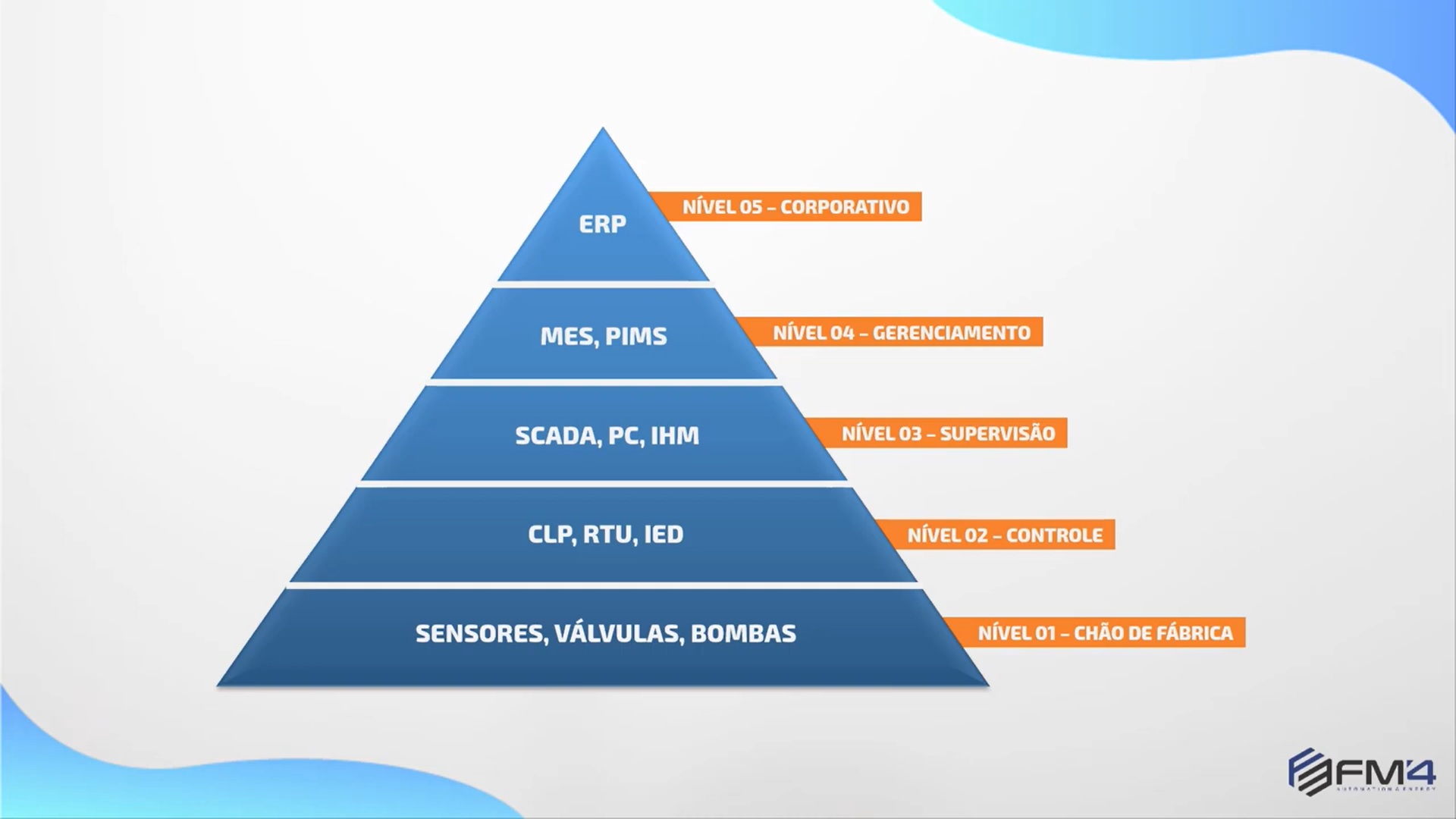
The SCADA system is a fundamental technology for ensuring the efficiency and safety of industrial processes. It can be applied in many sectors, such as:
The SCADA system can also be used to monitor and control non-industrial processes, such as:
A SCADA system is a technology used to monitor and control industrial, residential or Internet of Things processes. It is made up of a communication network, a set of equipment and sensors, and supervisory software. It works through an operating cycle that involves collecting, processing, displaying and controlling data. Its history and evolution have followed the development of electronics, computing and the internet. It can be applied in many sectors and processes, ensuring their efficiency and safety.
// keep reading
Find out what the MQTT protocol is, how the publish/subscribe model works and why it is essential for IoT and industrial automation in Industry 4.0.
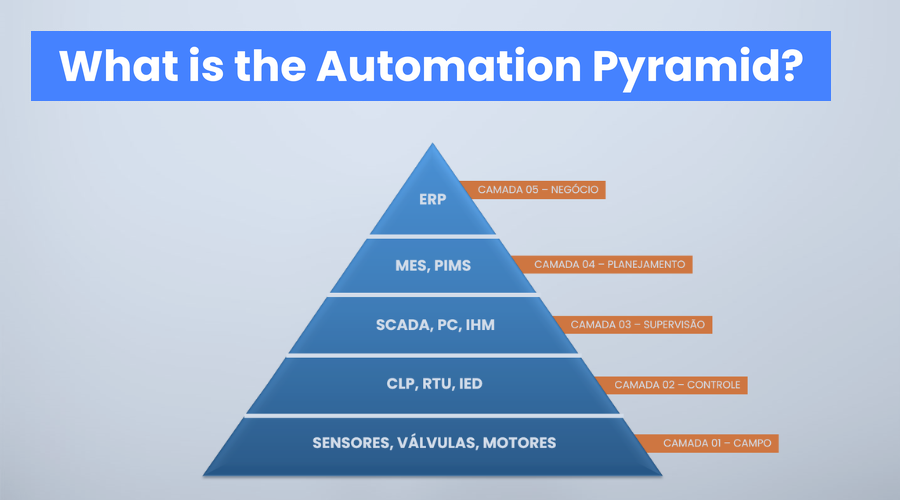
The industrial Automation Pyramid is a visual representation that organizes the different layers of systems and technologies used to automate industrial processes.
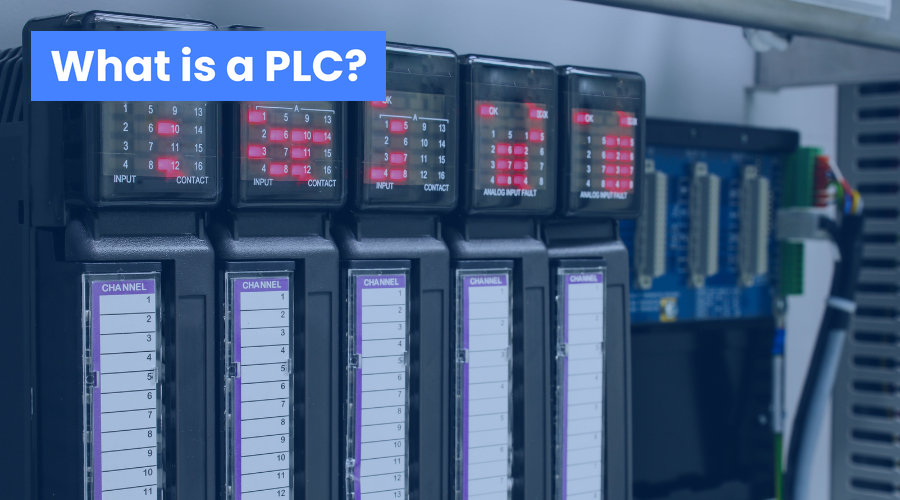
PLC stands for “Programmable Logic Controller”. It is an electronic device used to control machines and industrial processes.
// from article to practice
In FM4 courses you program PLCs and SCADA systems hands-on, with step-by-step lessons and instructor support.